NFL Rushing Yards Leader Odds 2026: RB Futures
 Available in US
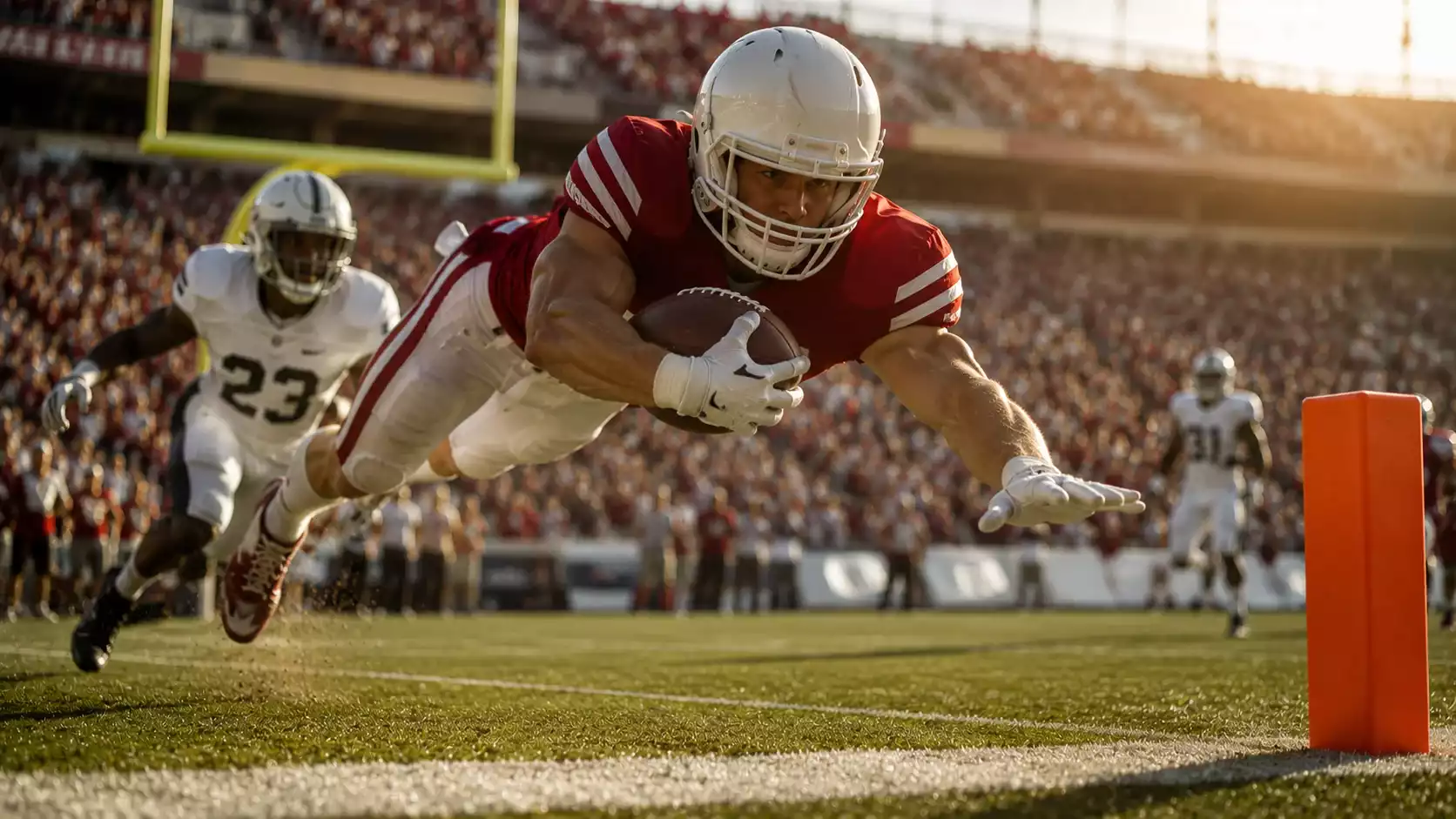
Picking the NFL’s rushing yards leader used to be simple: find the workhorse back who gets 300+ carries and bet on him. That model is dying. The league has moved decisively toward committee backfields, and the number of running backs who receive a true bell-cow workload shrinks every season. For futures bettors, this shift hasn’t destroyed the market — it’s actually created better value, because the public hasn’t fully adjusted its pricing to the new reality.
I’ve been tracking carry distribution data for seven years, and the trend is unmistakable. The rushing leader’s carry share within his own team has dropped from an average of 72% a decade ago to under 60% in recent seasons. That means the winner of this market is no longer just the most talented runner — he’s the one whose team bucks the trend and gives him a disproportionate workload. Identifying those situations before the season starts is the entire game.
Carry Share and Offensive Line Predictive Metrics
Last March I built a model that combined two variables — projected carry share and offensive line run-blocking grade — and backtested it against the previous eight seasons of rushing leaders. The correlation was striking: in seven of those eight years, the rushing champion came from the top five in projected carry share AND had a top-twelve offensive line by run-blocking metrics. The one exception was a generational talent who overcame a mediocre line through sheer ability — and even he barely cleared the threshold.
Carry share is the more important of the two inputs. A running back who receives 65% of his team’s designed carries, even behind an average line, will accumulate enough yardage to compete for the title simply through volume. The inverse — an elite talent getting 45% of carries in a rotation — almost never produces enough raw yards to win the league crown. I look for teams that have one clear RB1 with no serious competition for touches, ideally entering the second or third year of that arrangement so the coaching staff has demonstrated its commitment to the workload.
Offensive line quality acts as a multiplier. A strong run-blocking unit turns a 3.8 yards-per-carry back into a 4.4 yards-per-carry back, and over 280-300 carries, that half-yard difference translates to 140-180 additional rushing yards across the season. I track offseason line changes obsessively — a team that loses its best guard to free agency or drafts a rookie tackle can see its run-blocking grade swing dramatically. These changes are among the most underpriced variables in the rushing leader market because they involve anonymous interior linemen rather than household-name skill players.
2026 Rushing Yards Leader Candidates and Odds
The ideal candidate profile for 2026 combines four elements: a clear lead-back role with no meaningful competition for carries, a top-twelve offensive line by run-blocking grades, a coaching staff that has historically committed to the ground game (look for teams that ranked in the top ten in designed run rate last season), and good health — specifically, a back who played 15+ games the prior year and showed no signs of decline in his per-carry efficiency late in the season.
I weight the first criterion most heavily. A back meeting all four criteria at 6/1 is a strong play. A back meeting three of four at 10/1 is worth a smaller position. Two of four at 15/1 is a speculative flyer that belongs in the longshot tier of your portfolio. The market tends to overvalue brand-name recognition and last season’s totals, which means an established star who lost his best lineman to free agency is often priced shorter than he should be, while a second-year back inheriting a workhorse role behind an improved line is priced longer.
Pay attention to the draft. A team that uses a first or second-round pick on an offensive lineman is signalling its intention to run the ball. A team that drafts a running back in the middle rounds when it already has a clear RB1 is signalling rotation, not commitment. The week after the draft is one of the best windows for rushing leader futures, because these roster construction signals are fresh but the market hasn’t fully digested their implications for individual workload.
Dual-Threat QBs and the Rushing Title: A Growing Factor
Here’s a question I get asked every year: can a quarterback win the rushing title? Technically, yes — there’s no rule excluding them. Practically, it hasn’t happened, because even the most mobile quarterbacks max out at 700-800 rushing yards while the rushing leader typically needs 1,300-1,500. But dual-threat quarterbacks affect the market in a less obvious way.
When a quarterback runs for 600+ yards, those yards come at the expense of his running backs’ volume. A team with a mobile quarterback distributes rushing production more broadly, suppressing the RB1’s total yardage even if the running back is talented. I actively avoid rushing leader candidates who share a backfield with a highly mobile quarterback. The yards are split too thinly. The winning profile is a traditional pocket passer whose rushing contribution is negligible, funnelling the entire ground game through the running backs.
Conversely, a team that replaces a mobile quarterback with a pocket passer in the offseason creates a sudden workload boost for its lead running back. The 500-600 rushing yards the quarterback was accumulating get redistributed, and most of them flow to the RB1. This specific type of quarterback transition — mobile to stationary — is one of the most reliable and most underpriced signals in the rushing leader market. I’ve found profitable positions in three of the last five seasons by targeting exactly this scenario.
For bettors interested in how rushing leader odds interact with passing leader and other yardage markets, the passing yards leader analysis covers the cross-market dynamics and how to build correlated positions without overconcentrating on a single player.
Can a quarterback win the NFL rushing title?
While no rule prevents it, no quarterback has won the rushing title in the modern era. The gap between quarterback rushing output (typically 600-800 yards for the most mobile passers) and the winning total for running backs (1,300-1,500 yards) is too large to bridge. Dual-threat quarterbacks affect the market indirectly by reducing their running backs’ workload share.
How does the committee backfield trend affect rushing leader futures?
The rise of committee backfields has reduced the number of true bell-cow runners, making carry share a more critical variable than raw talent. The rushing leader now almost always comes from the shrinking pool of backs who receive 60%+ of their team’s carries. Identifying which teams buck the committee trend is the primary analytical task in this market.
Prepared by the Best nfl Futures Bets editorial staff.