NFL Futures vs Props: Market Differences
 Available in US
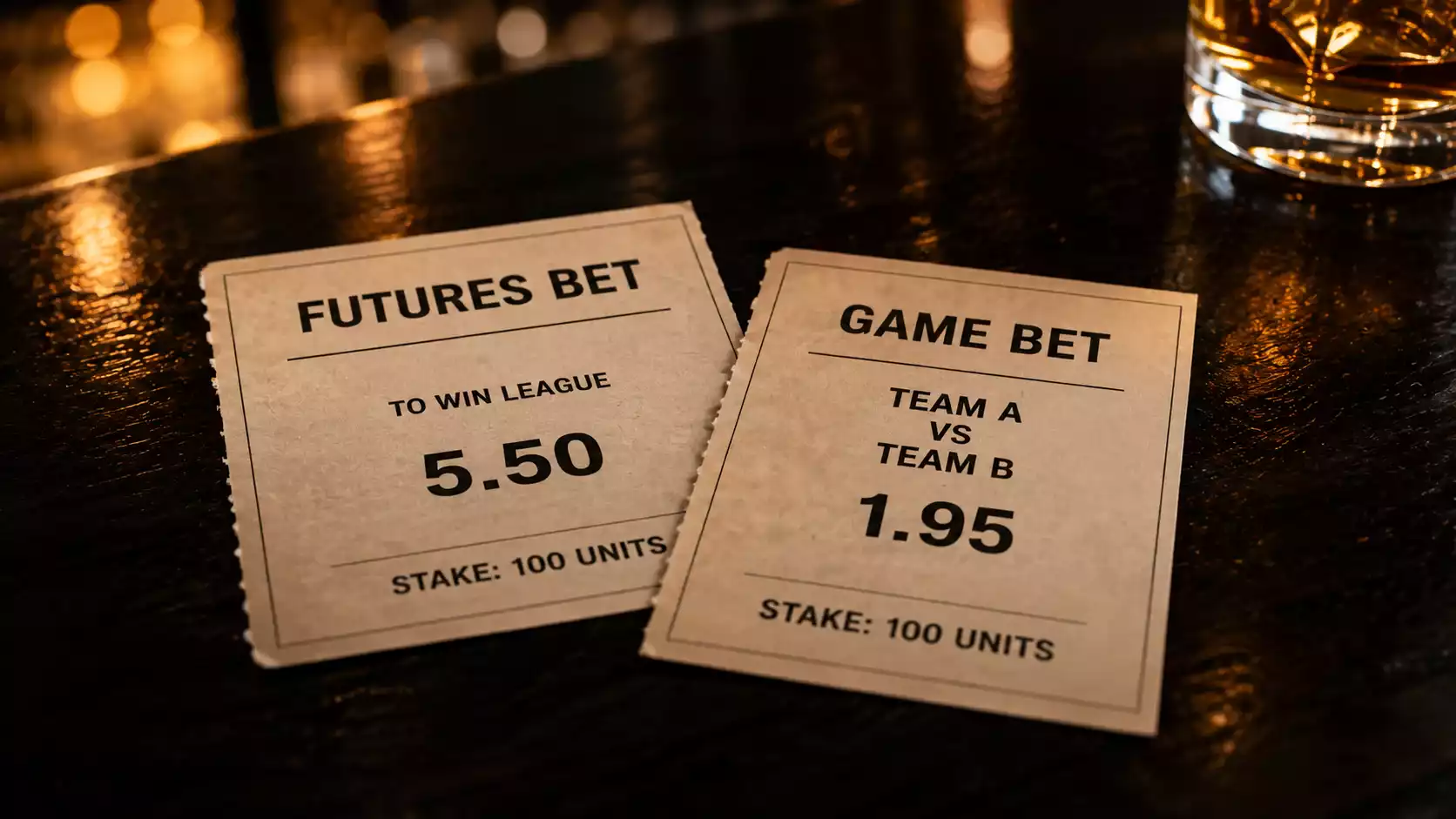
A friend messaged me last October asking whether his bet on a quarterback to throw over 275.5 yards in a Thursday night game was “the same kind of bet” as his Super Bowl futures ticket. Both involved the NFL, both involved predictions about player or team performance, and both were placed at the same bookmaker. But they occupy entirely different corners of the betting market, with different structures, different margins, and different strategic implications. Confusing the two costs bettors money in ways they rarely notice.
The core distinction is timing and settlement. A futures bet is a long-range position — you place it weeks or months before the outcome is decided, and your money is locked up for the duration. A prop bet, short for proposition bet, is tied to a specific game or event and settles within hours. That difference in time horizon changes everything about how the markets are priced, how much margin the bookmaker charges, and how you should approach each one strategically.
Timing Settlement and Market Mechanics
When I place a Super Bowl futures bet in May, I’m committing capital for eight months. The team hasn’t played a single game, the roster might change through injuries and trades, and the variables that will determine the outcome are largely unknown. The bookmaker knows that uncertainty is high, and they price accordingly — wider margins to compensate for the greater difficulty of setting accurate lines. My money is illiquid for the entire period, which means I need to factor the opportunity cost into my evaluation.
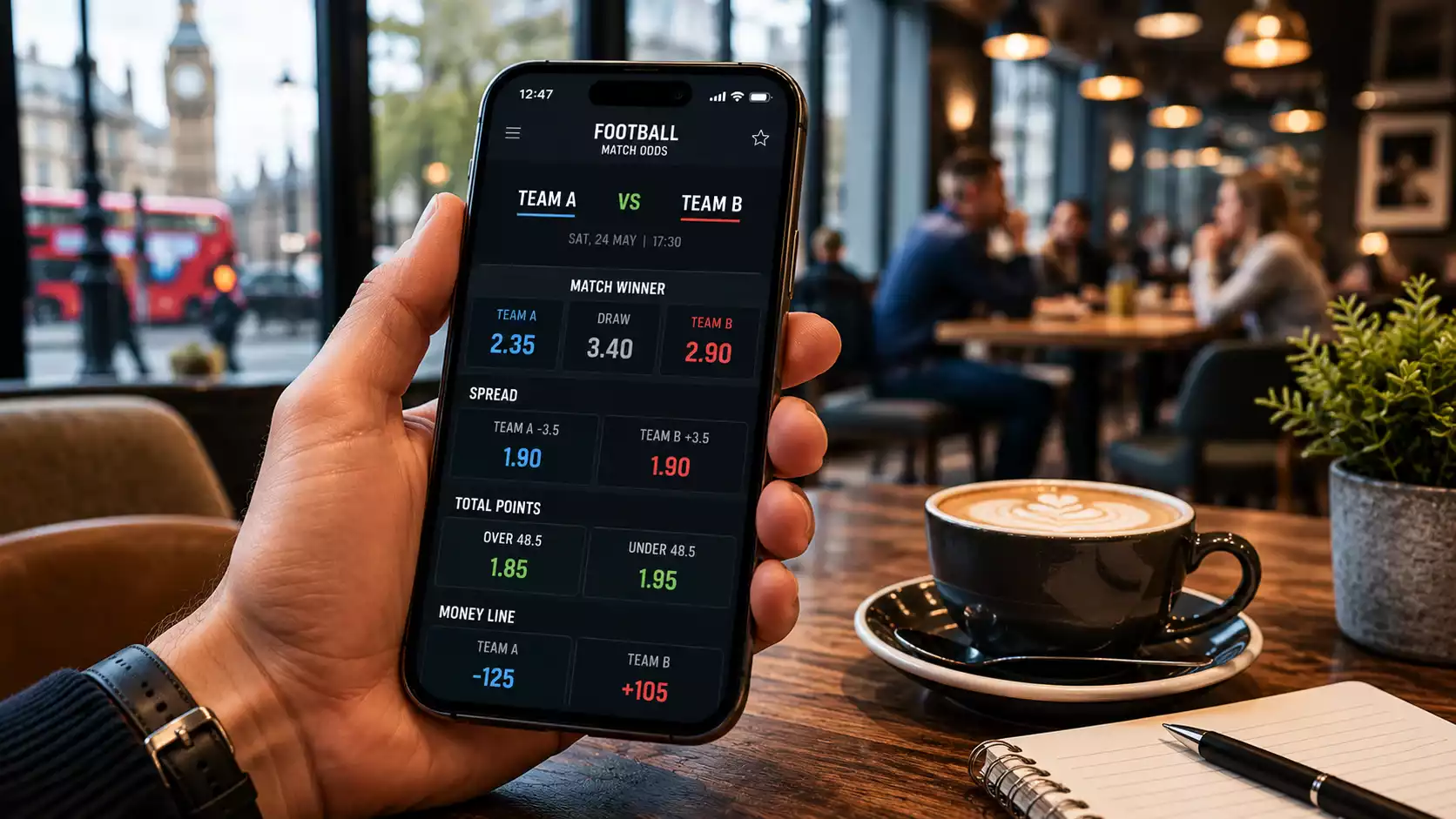
Game-day props operate on the opposite end of the spectrum. I place a bet on a running back’s rushing yards an hour before kickoff. The bookmaker has nearly complete information — the final injury report, the weather forecast, the game plan tendencies — and the market reflects that informational density. Props settle within three hours, my capital is freed immediately, and I can redeploy it the following week. The informational environment is denser, the markets are tighter, and the pace of betting is faster.
Season-long player props sit in an interesting middle zone. A bet on a quarterback to throw over 4,200.5 passing yards for the season looks structurally similar to a game-day over/under but behaves more like a futures bet. It settles over 17 weeks, carries the same capital lock-up concerns as other futures, and is subject to the same long-range uncertainties around injuries, coaching changes, and schedule dynamics. I categorise season-long player props as futures in everything but name, and I apply the same analytical framework and bankroll allocation rules to them.
Hold and Margins: Where Each Market Sits
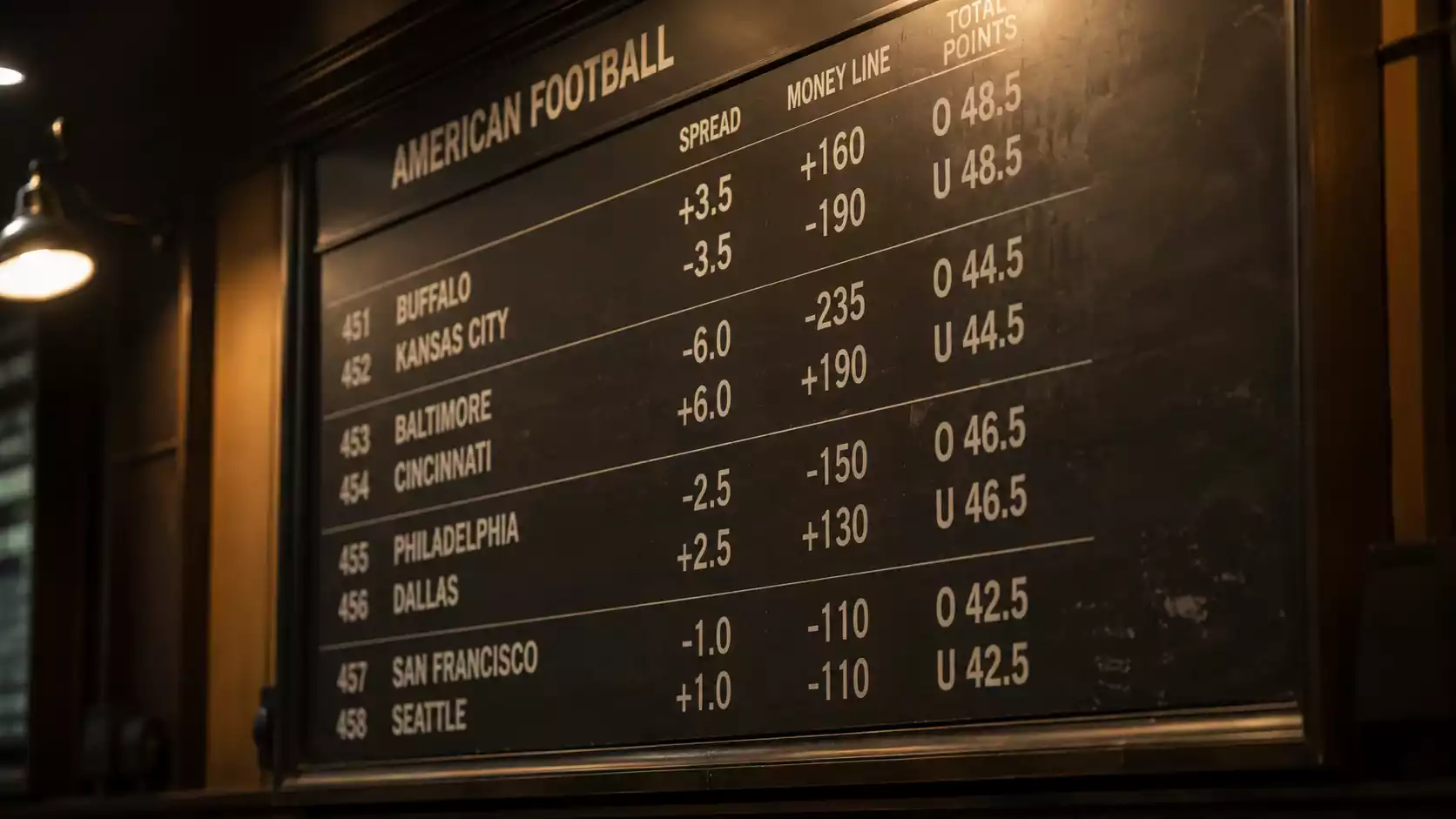
The margin structure is where the practical differences become most consequential for your bankroll. Standard point spreads and game totals carry a theoretical hold of about 4.5% — the tightest margins in sports betting. Game-day player props are wider, typically running 6-10% hold depending on the bookmaker and the specific market. The more exotic the prop, the higher the margin.
Futures occupy the high end of the margin spectrum. Super Bowl outright markets carry a hold of 20-30%. MVP markets with 80+ candidates can push the cumulative hold above 50%. Season win totals sit somewhere in between, usually 8-15%, which is one reason I consider them the most bettor-friendly segment of the futures landscape. These aren’t abstract numbers — they directly determine how much edge you need just to break even.
On a 4.5% hold point spread, you need to win about 52.4% of your bets to show a profit. On a 25% hold Super Bowl futures market, the breakeven threshold is substantially higher in expected value terms — you need to identify mispricings large enough to overcome a quarter of every pound you wager being absorbed by the bookmaker’s margin. This is why I’m far more selective with futures than with game-day bets. The hurdle is higher, so the conviction needs to be stronger.
The margin difference also explains why casual bettors fare worse on futures than on game-day markets. A recreational punter who picks spreads at roughly 50% accuracy loses slowly — the 4.5% hold bleeds their bankroll over hundreds of bets. The same punter making random futures selections at 25% hold loses much faster because each bet carries five times the structural disadvantage.
The Prop Parlay Trend and Its Relationship to Futures
Same-game parlays have blurred the line between props and futures in a way that mostly benefits bookmakers. These products let bettors combine multiple prop bets from a single game into one ticket — a quarterback’s passing yards, a running back’s rushing total, and the game outcome, all linked together. They feel creative and personalised, and their popularity has exploded: same-game parlays and related parlay products now account for over 30% of total handle, up from less than 15% a few years ago.
The hold on same-game parlays runs 20-35%, putting them in the same margin territory as futures. But unlike futures, where the high hold is at least partially justified by the long time horizon and genuine uncertainty, same-game parlays achieve their margins through correlation manipulation. The bookmaker prices each leg independently and then adjusts the combined payout downward to account for the correlation between outcomes — a quarterback throwing for many yards is correlated with his team winning, for example — but the adjustment consistently overcharges the bettor relative to the true correlation.
I treat same-game parlays as a fundamentally different product from both straight futures and straight props. They combine the worst features of each: the high hold of futures without the long-term analytical edge that patient futures bettors can develop, and the game-day information density of props without the tight margins that make props worth trading. For a detailed breakdown of why the maths makes these products so difficult to beat, the same-game parlays analysis walks through the margin mechanics step by step.
The strategic takeaway is simple. If you have strong analytical conviction about a specific long-term outcome — a team winning the Super Bowl, a quarterback winning MVP — futures are the appropriate vehicle despite the high hold. If you have an edge on a single game’s dynamics, straight props at tighter margins are the better bet. Combining the two into parlays feels like the best of both worlds but delivers the worst of both margins.
Can you combine futures and props in a parlay?
Some bookmakers allow futures selections to be combined with game-day props in multi-leg bets, but the practice is uncommon and the terms vary. Even where it is available, I would advise against it. The combined hold on such a parlay would stack the already high futures margin on top of the prop margin, creating an even greater hurdle to profitability than either market presents individually.
Which has lower vig — futures or game-day props?
Game-day player props carry lower margins than futures, typically 6-10% compared to 20-30% or more on outright futures markets. Standard game spreads and totals are even tighter at around 4.5%. Among futures specifically, season win totals offer the lowest hold (8-15%), while MVP and other award markets with many candidates carry the highest margins.
Prepared by the Best nfl Futures Bets editorial staff.