NFL Futures Line Movement: Tracking Odds Shifts
 Available in US
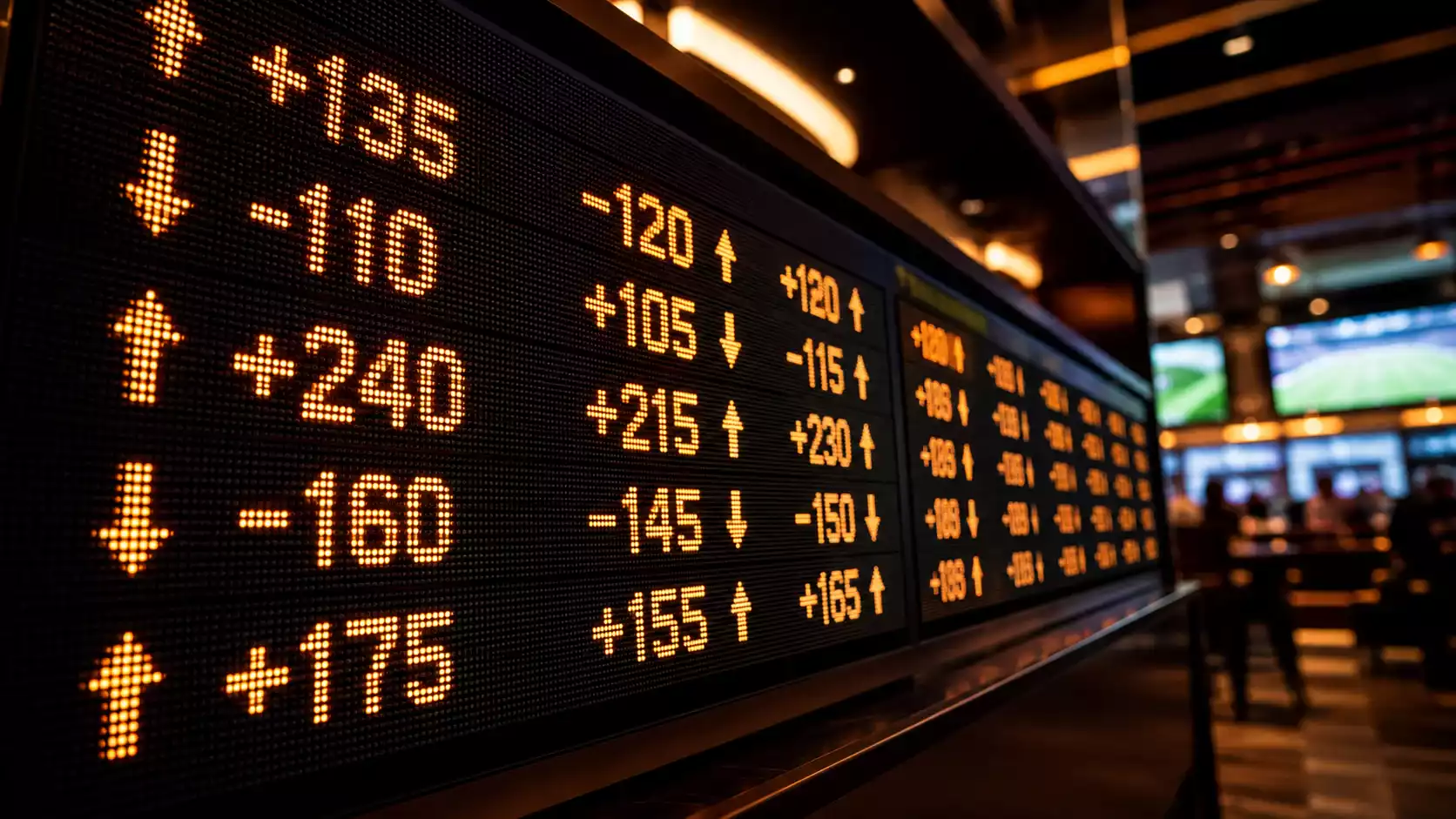
Last April I watched a team’s Super Bowl odds shorten from 20/1 to 14/1 in a single afternoon. There was no news — no signing, no trade, no injury report. The odds just moved. That kind of silent movement is a signal, and learning to read it has been one of the most valuable skills I’ve developed over nine years of trading NFL futures. Odds don’t move randomly. Every shift tells a story about what the bookmaker knows, what the market believes, or what large bettors are doing with real money. The challenge is distinguishing between the different causes of movement and deciding which ones matter for your own positions.
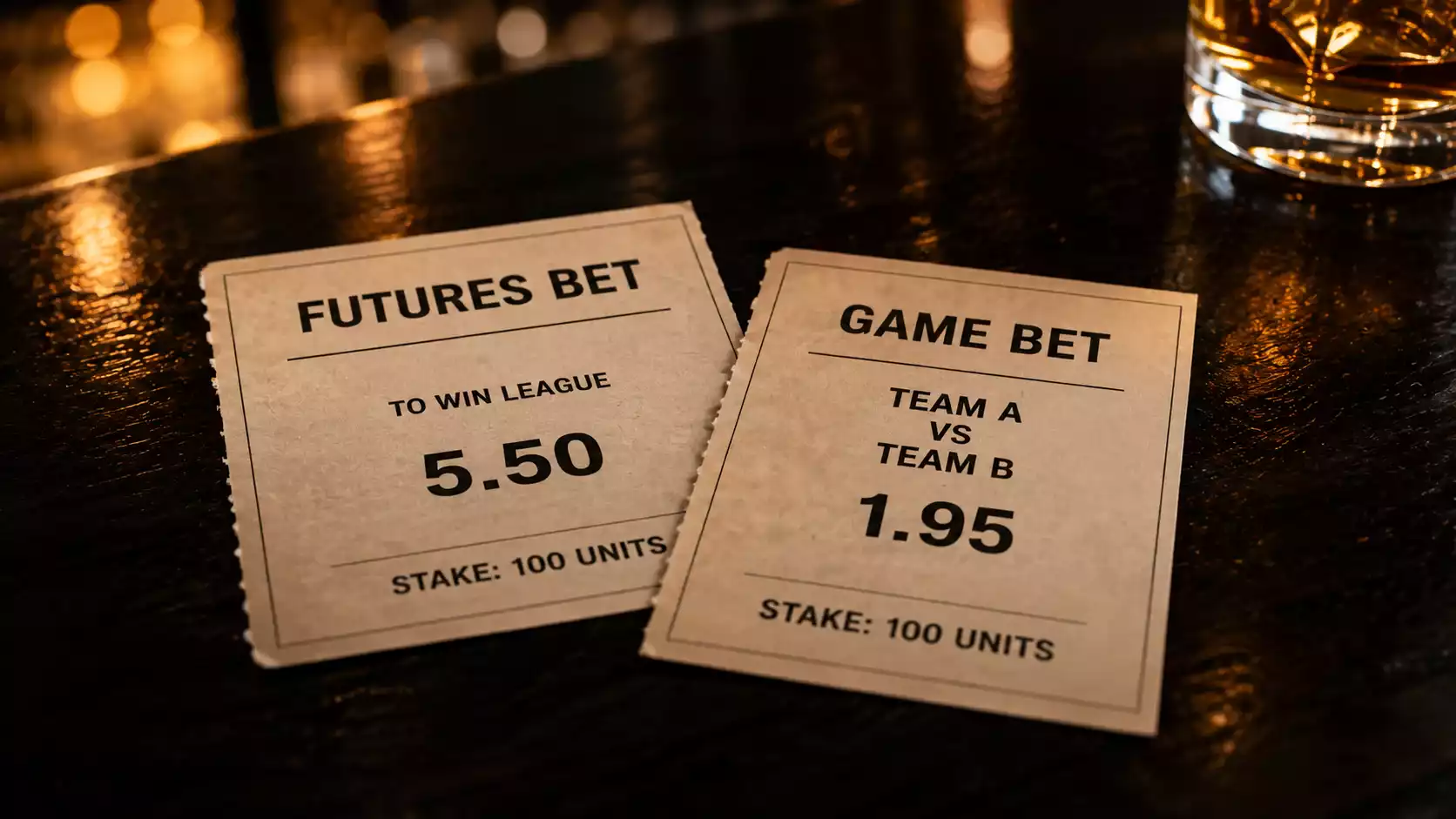
Futures line movement works differently from game-day odds movement. Game-day markets are liquid, fast, and heavily arbitraged — lines settle into efficient prices within hours. Futures markets are thinner, slower, and less efficiently priced, which means line movements are larger, less frequent, and more informative when they occur. A half-point shift on a game spread is noise. A 20% shift in Super Bowl odds is a meaningful event that warrants investigation.
NFL Futures Line Movement Triggers
Every line movement has a cause, and the cause determines how you should respond. I categorise futures movements into four types, each requiring a different reaction.
The first and most straightforward is information-driven movement. A quarterback injury, a major trade, a coaching hire — these events change the underlying probabilities and bookmakers adjust accordingly. Information-driven moves are usually obvious: you can match the timing of the odds shift to a specific news event. The analytical question is whether the market has overreacted or underreacted to the information. In my experience, the initial adjustment to breaking news is roughly correct about 60% of the time, overshoots about 25% of the time, and undershoots about 15%. The undershoot category — where the market hasn’t moved far enough — is the most profitable to trade because it combines genuine new information with a pricing lag.
The second type is seasonal-cycle movement. Certain events in the NFL calendar reliably trigger odds shifts across the entire market: the draft, free-agency signings, training camp reports, and the preseason schedule release. These aren’t reactions to a single piece of news but rather to the aggregate information flow during a particular period. Seasonal-cycle movements are largely predictable — you know when the draft happens, when free agency opens, and when training camp starts — which means you can position your bets to capitalise on the movements rather than react to them after the fact.
The third is liability-driven movement. When a bookmaker has taken too much money on one side of a market, they shorten the odds on that selection to discourage further action and lengthen the odds on the other side to attract balancing bets. Liability moves happen without any news catalyst — the odds shift simply because the bookmaker’s exposure on a particular outcome has reached an uncomfortable level. These moves are the hardest to identify from the outside because the bookmaker doesn’t announce their liability position, but they can be inferred from the timing and pattern of the movement.
The fourth is copycat movement. When one prominent bookmaker adjusts their odds, competitors follow within hours or days — not because they’ve received the same information or liability pressure, but because they use other bookmakers’ lines as reference points. Copycat movements amplify the original move across the market without adding any new analytical content. I’m particularly cautious about chasing movements that appear across multiple bookmakers simultaneously, because the chance that they’re all reacting to the same original signal — rather than independently confirming the move — is high.
News-Driven vs Liability-Driven: Two Causes of Line Movement
Distinguishing between news-driven and liability-driven movement is the most important skill in futures line reading. The response to each should be opposite.
News-driven moves deserve respect. If a team’s starting quarterback tears his ACL and the Super Bowl odds lengthen from 8/1 to 16/1, that lengthening reflects a genuine change in the team’s probability of winning the championship. Trying to “buy the dip” on a news-driven move is a common mistake — the market has adjusted for a real reason, and the new price is typically closer to correct than the old one. The exception is when you believe the market has overreacted to the news — for instance, if the backup quarterback is more capable than the market credits, or if the team’s defence is strong enough to compensate for reduced offensive production.
Liability-driven moves, by contrast, can create value. When odds shorten on a popular team not because the team has improved but because too many bettors have backed them, the other teams in the market become relatively underpriced. The bookmaker is lengthening odds on less popular selections to balance the book, and those lengthened odds may now offer genuine edge. I’ve found some of my best futures positions by identifying which teams’ odds have drifted longer as a side effect of liability management on a completely different selection.
The timing of the move provides the strongest clue about its cause. Moves that coincide with identifiable news events are almost certainly information-driven. Moves that occur during quiet periods — no news, no signings, no schedule changes — are likely liability-driven. Moves that occur immediately after another bookmaker adjusts their line are likely copycat behaviour. I maintain a log of every significant futures line movement I observe, noting the timing, the magnitude, and the suspected cause. Reviewing that log at the end of each season has been one of my most educational exercises.
Tools and Methods for Tracking Futures Line Movement
Tracking NFL futures odds from the UK is straightforward with the right tools. Several odds-comparison websites aggregate prices from multiple bookmakers and display historical line charts showing how odds have moved over time. These tools let you see not just the current price but the trajectory — whether a team has been steadily shortening since the draft, or whether a sudden move last week reversed a longer trend.
I supplement these aggregators with manual tracking at the bookmakers where I hold accounts. Once a week, I log the Super Bowl, MVP, and division-winner odds for every selection I’m monitoring. This creates a personal database that lets me spot patterns the aggregator sites miss — particularly slow, steady drift that occurs over weeks rather than days.
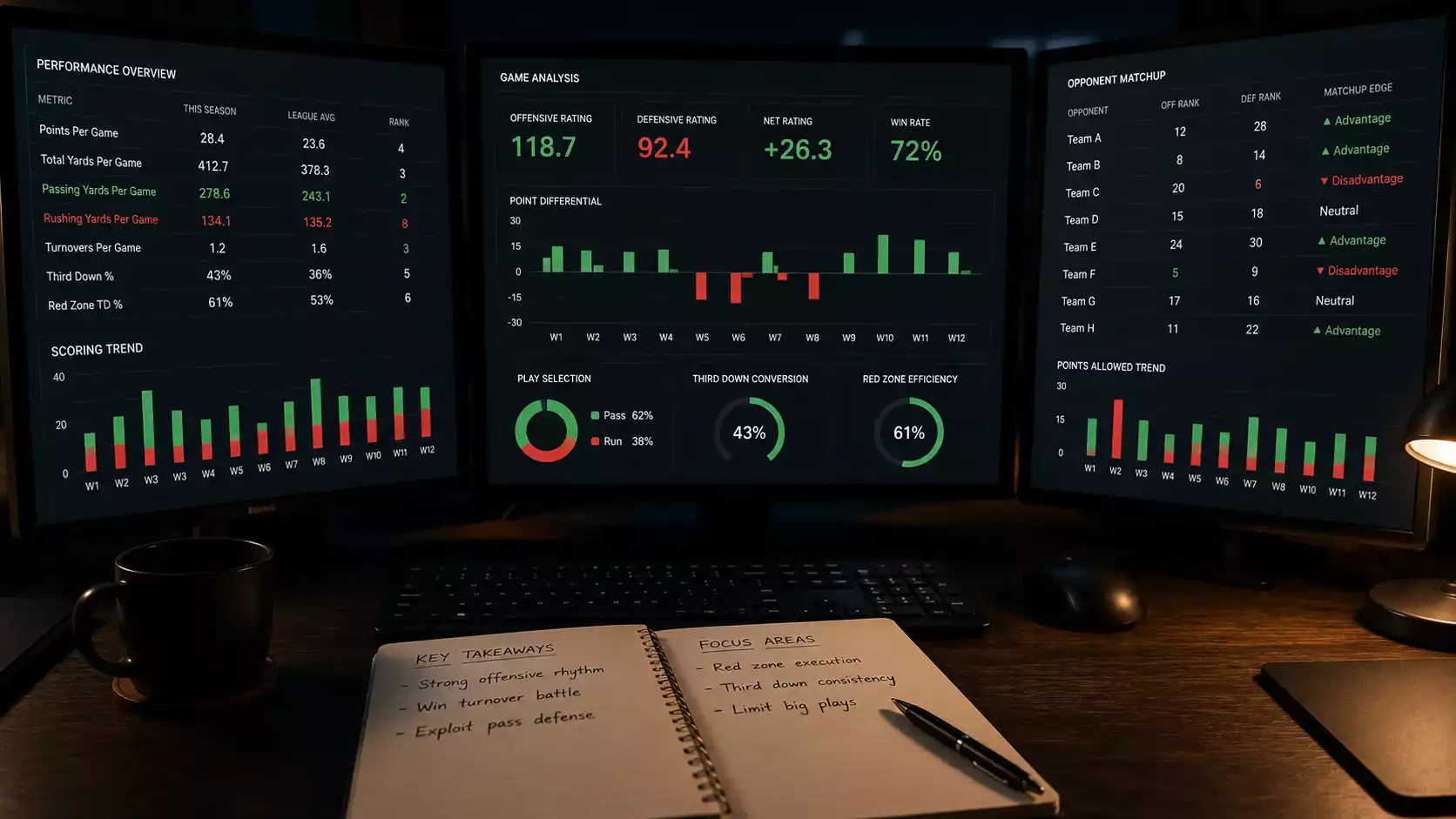
The most valuable tracking method is relative-odds monitoring. Rather than watching a single team’s odds in isolation, I track the ratio between related selections. If a team’s Super Bowl odds and division-winner odds are both shortening at the same rate, the market view is consistent. If the Super Bowl odds are shortening while the division odds are stable, something unusual is happening — perhaps a large futures bet on the Super Bowl market specifically, which should prompt further investigation before I act. The odds comparison guide covers how to systematically compare prices across UK bookmakers as part of this monitoring process.
Does line movement always indicate where smart money is going?
No. Line movement can be caused by news events, bookmaker liability management, or copycat behaviour between operators — none of which necessarily reflect sophisticated analytical action. Movements during quiet news periods on a single bookmaker are more likely to reflect liability or informed betting, while simultaneous moves across multiple bookmakers following a news event are purely information-driven. Treating all line movement as a signal of sharp activity is a common and costly mistake.
How do I track NFL futures odds changes from the UK?
Odds-comparison websites aggregate prices from multiple UK bookmakers and display historical line charts for major NFL futures markets. Supplement these with manual weekly logging at the bookmakers where you hold accounts. The combination of automated aggregation and personal record-keeping gives you both broad market visibility and the granular detail needed to identify meaningful patterns in how odds are shifting.
Created by the ”Best nfl Futures Bets” editorial team.